Trichy starts work on five-year city plan for electric vehicles and charging points
The corporation, police, power utility and NIT have formed an EV cell to work out how many chargers Trichy needs and where they should go.
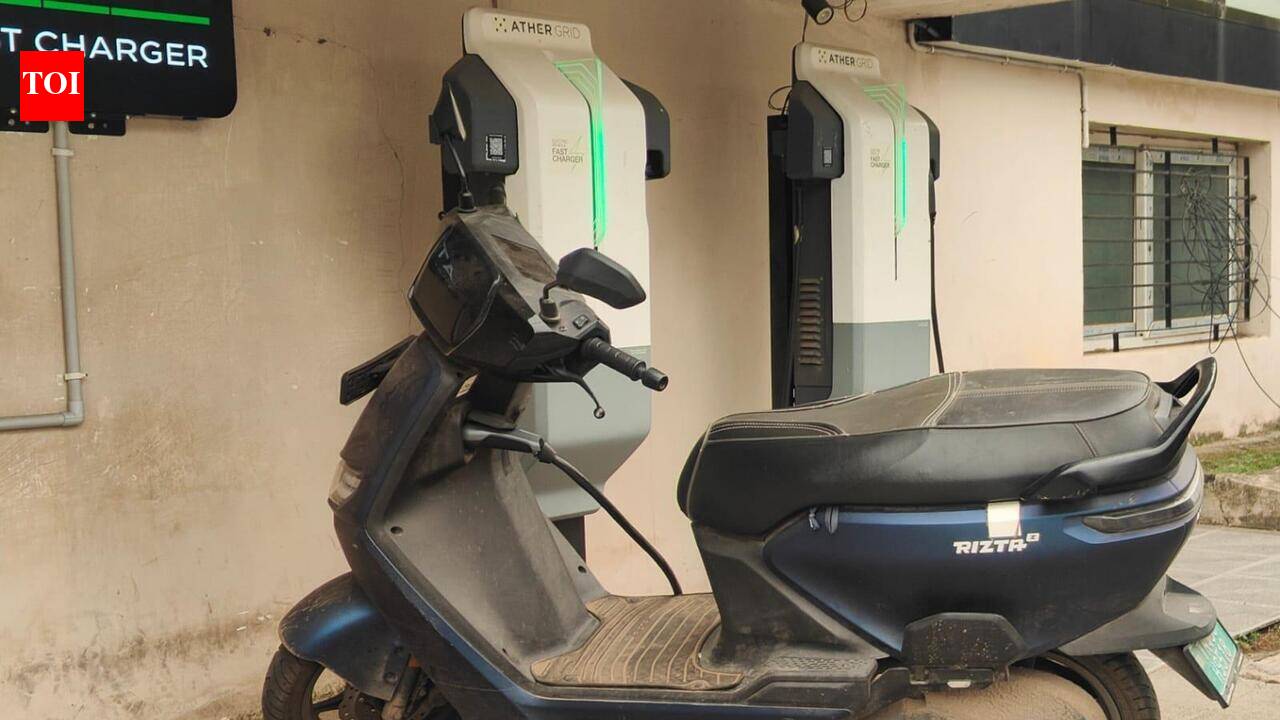
Trichy has started preparatory work on a five-year plan to get more electric vehicles on its roads. The city corporation is leading the effort with Guidance Tamil Nadu and the Institute for Transportation and Development Policy (ITDP), under the Tamil Nadu Electric Vehicles Policy 2023.
The plan will project how quickly EVs are likely to spread across every vehicle type. It will also estimate how many charging stations the city needs, where they should be placed, and what the extra load will mean for the electricity grid.
The city police, the Tamil Nadu Power Distribution Corporation Limited (TNPDCL) and the National Institute of Technology (NIT) are also involved. A city-level EV cell, made up of officials from these bodies, has already been set up. ITDP India and Guidance TN are providing technical support.
A first workshop has been held, attended by 50 government officials. They discussed what each department is responsible for in promoting EVs as a sustainable way to travel. Talks also covered the need for new charging infrastructure, finding land for charging stations and which EV projects to take up first. Officials are still gathering the data needed to design the charging network.
Charging is the main sticking point. Residents of Trichy say the lack of enough public chargers is one reason they hold back from switching to electric. Building a dependable public network across the city will therefore be a central focus, officials said.
Sooraj E M, programme manager at ITDP India, said EVs make up about 10% of vehicle registrations in Tamil Nadu. He said support for charging infrastructure is critical, including proposed investments and subsidies for public charging facilities and residential communities.
Trichy is one of six EV cities named in the 2023 policy. Its plan is meant to feed into the state's target of 20,000 charging stations by 2031.